Fifty years ago, the Breton language was hanging by a thread; today, it is still passed down in public and private schools, defying the most pessimistic predictions. Despite the pressures of globalization, the region clings to its roots: its density of artisans far exceeds the national average, and every year, new festivals emerge, drawing strength from the local heritage.
Local products do not just delight the taste buds: they benefit from protected designations at the European level. In addition, there are brotherhoods that perpetuate sometimes centuries-old know-how. Discovery trails are reinvented around these specificities, far from marked and impersonal routes.
Authentic Brittany: between iconic landscapes and characterful villages
On the north coast, the light reveals every crack in the granite and highlights the ruggedness of the capes. The bay of Mont-Saint-Michel, a theater of grand tides, stretches as far as the eye can see, dotted with discreet islets. Here, the sea shapes everything, from landscapes to mentalities. The ramparts of Saint-Malo stand firm against the Atlantic, reminding us of a maritime history marked by exile, conquest, and resilience. The narrow streets of Vannes or Quimper invite you to stroll: half-timbered houses, cobbled squares where one can still sense the hustle and bustle of past markets.
In the interior, the attachment to Breton identity is evident in the characterful villages of Morbihan and along the Vilaine. On the Rhuys peninsula, the air carries scents of gorse and seaweed; the Gulf of Morbihan unfolds a string of islands, each offering promises of escape. In this region, every detour holds a surprise: a solitary chapel, a forgotten megalith, a sleeping fortress. Unusual places in Brittany never fail to awaken curiosity.
From Rennes and its austere granite to the whitewashed houses of Saint, every stay in Brittany is an exploration guided by the quest for authenticity. To learn more about Jolie Breizh, the dedicated page unveils the most vibrant news from the region.
What traditions and know-how vibrate within Breton culture today?
Breton culture is nestled in the gestures of everyday life, patiently passed down from one generation to the next. Breton traditions punctuate the year: festoù-noz, pardons, fairs, and village festivals weave a continuous thread between yesterday and today. Binious and bombardes accompany collective dances, while traditional costumes remind us of the diversity of the territories.
Celtic music and its dances form a language in their own right. Gavottes and An dro bring together all ages, locals and visitors alike, in a collective energy that transforms every evening into a moment of sharing. Here, conviviality is lived, not proclaimed.
Craftsmanship is rooted in respect for traditions. In Quimper, faience tells centuries of history; elsewhere, lace, leather, or granite sculpture testify to a know-how refined over time. Local artisans, whether working in their workshops or at markets, share a common concern for detail and a desire to preserve both the material and the gesture.
Here are some concrete ways these traditions are perpetuated:
- The transmission of an art, from the creation of traditional costumes to the secrets of raw cider, keeps Breton identity alive.
- Workshops and guided tours offer everyone the chance to discover these still vibrant skills.
Breton culture is built on exchanges, bifurcations, and shared experiences. Authenticity, here, is experienced up close with the people, without artifice.
Flavors, festivals, and encounters: experiences not to be missed to live Brittany like a local
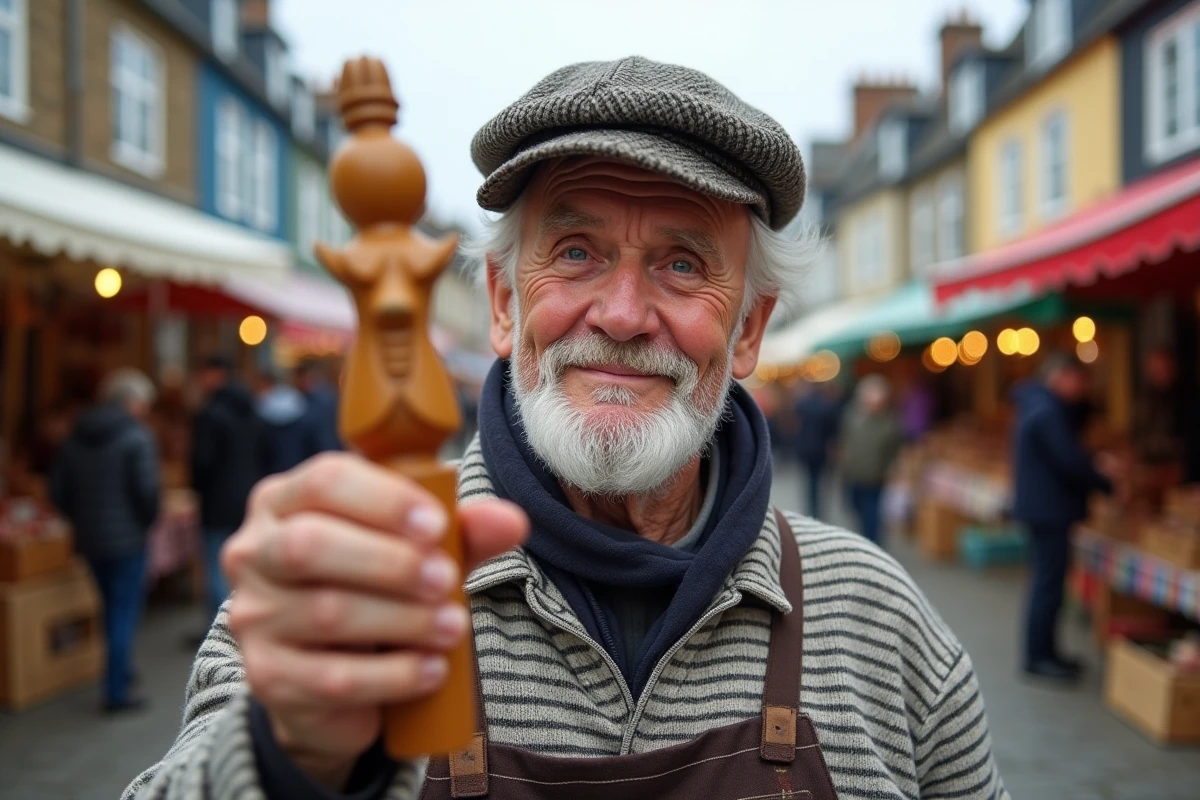
The Breton experience takes root in the markets, true showcases of regional gastronomy. The market of Lices in Rennes, for example, brings together producers and artisans in a lively atmosphere. Here, you can find seasonal local products: country vegetables, fresh fish, aged cheeses, farm cider, honey from the moors. Each stall bears the mark of a know-how, a commitment to quality, a family story.
In both covered markets and open-air venues, local markets become places of exchange and encounters. Locals share recipes and good addresses with kindness. A detour between the stands, and a golden kouign-amann catches the eye. This iconic Breton cake, crispy and melting at the same time, symbolizes the taste of sharing. Nearby, crepe makers are busy: buckwheat galettes filled with local products, each bite reveals the diversity and excellence of Breton gastronomy.
Another must-attend event: local festivals. In the village square, festoù-noz bring together all generations. Musicians, dancers, visitors, and locals come together, driven by the same fervor. Songs resonate, joy flows without barriers.
To grasp the full human dimension of Brittany, one must go out and meet people: share a dinner in a family inn, chat with a cider producer, always prioritizing moderate consumption, or simply follow an artisan through their work. Authentic Brittany reveals itself through its flavors, its festivals, and the generosity of those who live there.
One leaves Brittany with colors, voices, flavors in mind, and the impression of having touched, for the duration of a stay, a land that does not need to force its authenticity to leave a mark.