
280 million. This is not the revenue of a multinational corporation, nor the population of a continent, but the number of people who today share a common fight: the fight against depression. The World Health Organization leaves no doubt. In the face of such a widespread disorder, the medical response focuses on tailored support, which may include complementary solutions. Forget simplistic speeches: some natural treatments deliver on their promises when integrated into a process guided by a professional. Non-drug approaches never replace the advice of a specialist, but they provide solid support to enhance traditional strategies and improve quality of life.
Understanding depression: multiple causes and the importance of a reliable diagnosis
Behind the word depression lies much more than just a low period. It is a complex disease that manifests through persistent symptoms: enduring sadness, a loss of desire, restless or sleepless nights, disrupted appetite, and fatigue that clings to the skin. It is not just a gloomy mood, but often a major depressive episode that demands constant attention. The forms of depression evolve: some experience mild phases, while others face severe or even treatment-resistant episodes.
It is impossible to ignore the plurality of causes behind depression as a disease. Here, heredity intertwines with the environment, and biology intersects with psychological experiences. Sometimes, a trial triggers the fall; other times, no specific event explains the descent. In Paris, as elsewhere in France, affected individuals often mention attention disorders, difficulties concentrating, and impacts on work, social, or family life. The threat of suicide is a reality that should never be minimized.
Faced with such a diversity of symptoms and experiences, making a precise diagnosis becomes essential. Early detection of depressive disorders can change the course of care. Mental health professionals rely on appropriate tools to distinguish a temporary fragility from a true depressive episode. Their evaluation is based on listening, observing depression symptoms, and in-depth dialogue to propose the most relevant care. Some choose to combine complementary approaches, such as those presented on Nanomood Forte on Guide de Santé, always within the framework of personalized medical follow-up.
What natural treatments can accompany the management of depression?
Research in mental health is now focusing on the impact of natural treatments in support of conventional solutions. For many, facing depression no longer means limiting oneself to antidepressants or only medication treatments. Experience shows that some natural approaches can effectively complement psychotherapy or traditional medical follow-up under medical supervision.
One of the most accessible levers is physical activity. Practiced regularly, even in small doses, it directly affects depressive symptoms by stimulating the production of neurotransmitters that regulate mood. Numerous studies have confirmed its benefits, especially in preventing relapses. Nutrition, for its part, also plays a role: prioritizing omega-3s, B vitamins, and magnesium can support the restoration of mental balance.
The role of complementary techniques
Here are some complementary techniques whose benefits are confirmed by recent scientific literature:
- Mindfulness meditation, which calms ruminations and helps manage daily stress better.
- Light therapy, particularly useful during seasonal depressions, whose effectiveness is based on solid data.
- Some plant extracts, such as St. John’s Wort, studied for their action in mild to moderate depressive states, provided they are used under medical supervision.
Psychotherapy, whether individual or group, can perfectly align with these approaches. French research on cognitive-behavioral therapies (CBT) highlights their effectiveness, especially in the face of treatment-resistant depressions. This diversity of therapeutic methods allows for adjustments to the history and specific needs of each patient.
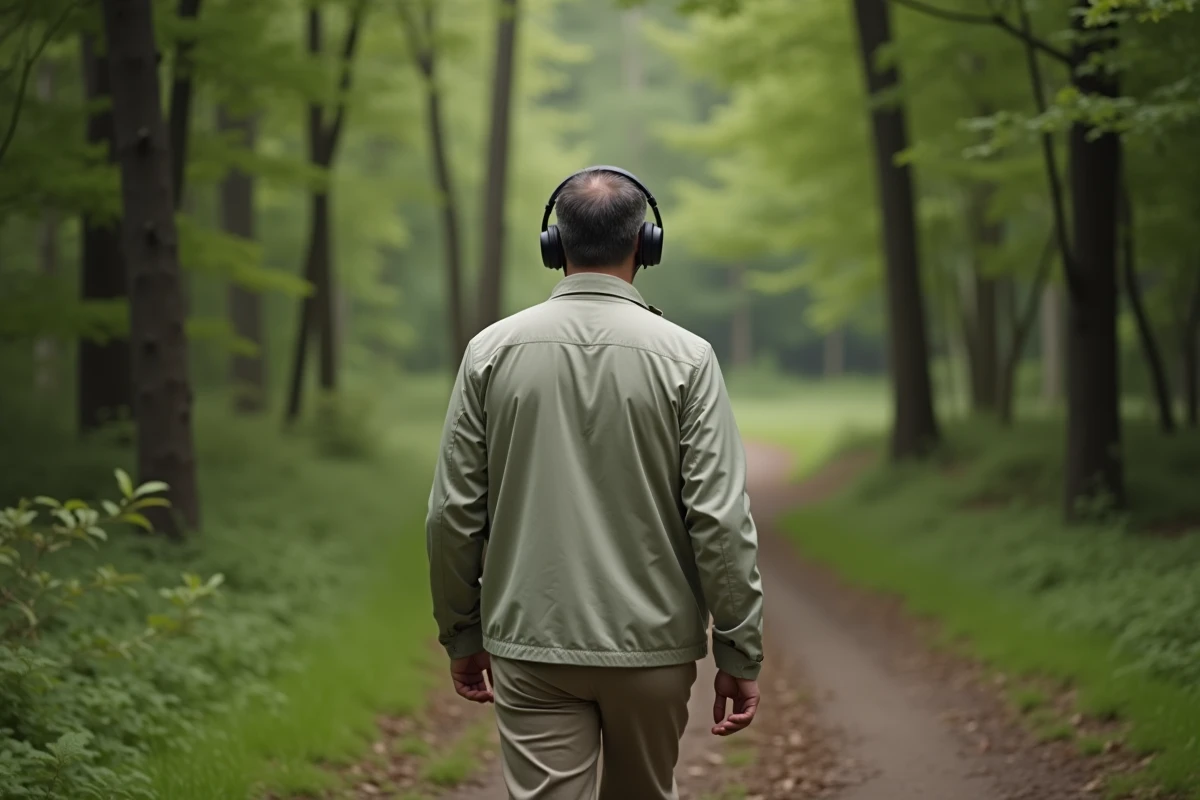
Promoting well-being in daily life: practical tips and resources for moving forward serenely
Depression spares no one and disrupts the lives of those it touches. To overcome it, each depressed person is offered tailored support, in collaboration with health professionals. Over the days, small concrete actions can help reconnect with movement and support mental health.
Structuring one’s routine is already laying the first stone: regular meal times, respected sleep, and ritualized breaks. This stability restores reference points, prevents getting lost in thoughts, and nourishes self-confidence. Physical activity, even if limited to a walk or some gentle exercises, remains a valuable support. Every effort, no matter how small, counts in reigniting the dynamic.
Maintaining a connection, however discreet, breaks isolation. Talking with a loved one, joining a support group, or relying on local associations creates a space to lighten the mental load. Digital resources recognized by health professionals make information, listening, and stress management tools more accessible.
To support this daily approach, here are some practical recommendations:
- Keeping a journal allows for noting small victories as well as moments of difficulty, to better measure the journey.
- Relaxation exercises, such as deep breathing or heart coherence, facilitate calming.
- Do not hesitate to seek professional help at the first signs of withdrawal or discouragement.
Fighting against a depressive episode means refusing isolation. In Paris and throughout France, support networks exist, ready to assist each person according to their needs. Nothing beats the gesture of taking the first step, even if it seems tiny. The door then opens to horizons once thought inaccessible.