450 officially listed cheeses, and yet, the list remains open. Each region, each family, each village slips into the confidence an overlooked recipe, passed down without ever appearing in a manual. This culinary heritage, alive, bubbles with exceptions and subtleties that even specialists struggle to grasp.
Regional borders sometimes play tricks: a specialty appears under several names, adorned with variations, shared among neighbors who each claim its origin. The distinction between industrial production and artisanal know-how is not absolute. Even in the proudest bastions of tradition, the line remains blurred.
Why does artisanal gastronomy embody the soul of French regions?
At the heart of French gastronomy, the mosaic of territories stands out. It is the terroirs, the creativity of artisans, and the uniqueness of each region that make it rich. From Normandy to the Alps, from the Southwest to Brittany, every corner of the country shapes its own local products, through oral transmission, attention to seasonality, and a fierce loyalty to local traditions.
The countryside perpetuates this heritage through recipes that are discreetly passed down from generation to generation, respecting the rhythm of nature and the land. Here, eating is not a mundane act: it is to inscribe oneself in a collective story, to attach oneself to a landscape, to a living memory.
France is a constellation of tastes and landscapes, where each village claims its own flavors. Authenticity is embodied in proximity, in these direct exchanges at the market, between producer and consumer. Buying an Auvergne cheese on-site, sharing duck confit with a farmer from the Southwest, is to support the local economy and recognize the value of a living heritage.
Here’s what this concretely changes in daily life:
- Turning to local products energizes the local economic fabric.
- Gastronomic tourism highlights skills passed down, often in the shadows, from generation to generation.
- Traditional meals bring people together, strengthen bonds, and promote sharing and conviviality.
From Burgundy to Provence, from Alsace to the Basque Country, each territory jealously defends its palette of products and the demands of its cuisine. On lartdugout.fr, the richness of these regional heritages is honored, in an approach that celebrates discovery, transmission, and respect for taste. This is how artisanal gastronomy connects, discreetly but surely, memory, inventiveness, and a deep attachment to the land.
Discovering emblematic specialties: a sensory journey through the terroirs
It is impossible to talk about French gastronomy without mentioning the diversity of its terroirs: each region loves to showcase its regional specialties, often born from a landscape, a climate, a well-established tradition.
In Hauts-de-France, maroilles stands out in a welsh, a rustic tart, or a cheese platter, while potjevleesch, a meat terrine in jelly, evokes the large tables of the north. In Normandy, camembert rubs shoulders with livarot and pont-l’évêque, accompanied by cider or calvados. Brittany, for its part, celebrates buckwheat galette, kouign-amann, indulgent crêpes, and an abundance of seafood, from scallops to Belon oysters.
Further south, Provence distills its Mediterranean accents: olive oil, tapenade, herbs, vegetable tians, Aix calisson, fragrant wines. Alsace claims choucroute, pretzels, and its multiple influences. In Burgundy, beef bourguignon, snails, mustard, and exceptional wines contribute to the region’s fame.
The Southwest is distinguished by duck confit, foie gras, and cassoulet. The Basque Country serves axoa, Espelette pepper, and basque cake. The Côte d’Azur also indulges, with bouillabaisse, socca, and niçoise salad. Finally, the Alps and the Massif Central warm hearts with tartiflette, raclette, savoyard fondue, reblochon, crozets, and a myriad of Auvergne cheeses.
Some striking examples:
- Behind every dish, a story unfolds, a territory asserts itself.
- The dialogue between local products and know-how gives birth to authentic flavors like no other.
Secrets, know-how, and encounters: the art of perpetuating local culinary tradition
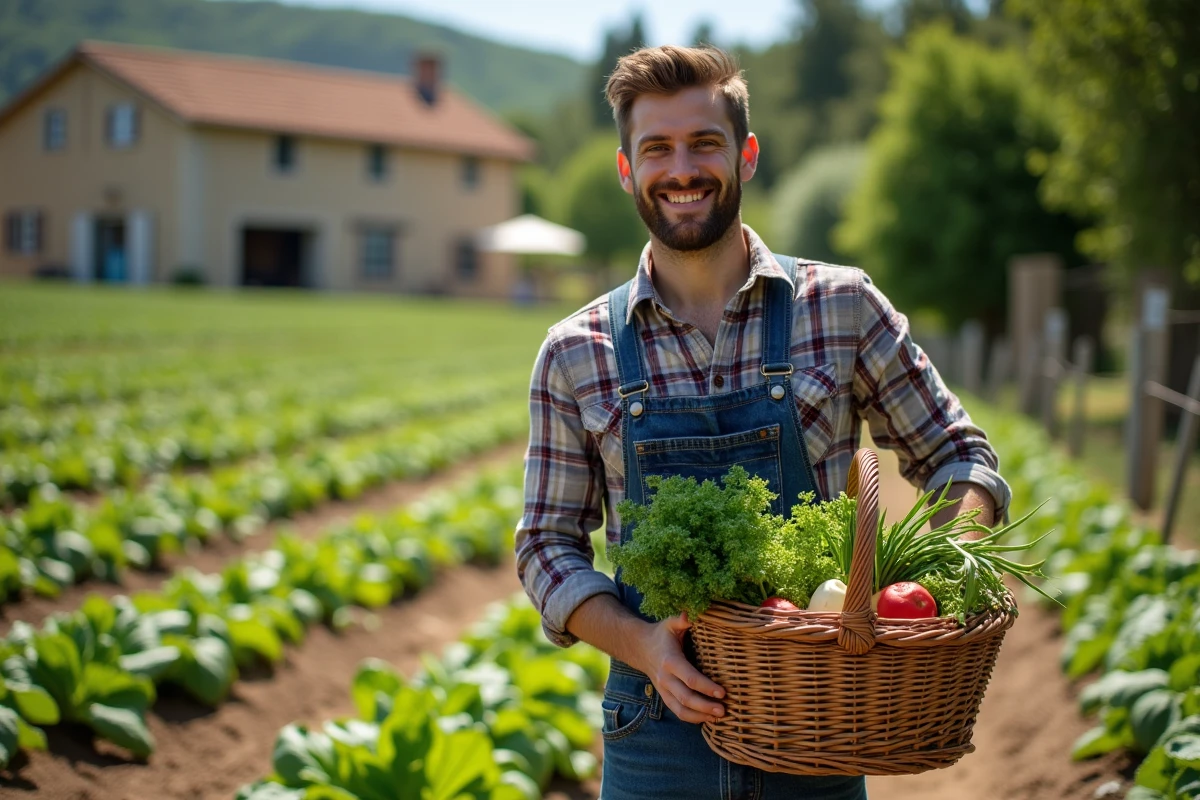
What distinguishes French gastronomy is this thread of transmission. The know-how is passed down with rigor, patience, and respect for age-old gestures. In every village, traditional cuisine relies on a meticulous selection of products, listening to the seasons, slow cooking, and assured gestures. Flavor is built, texture is refined, and taste settles in for the long haul.
The short circuit is not a modern whim: it has always shaped the direct relationship between producers and consumers. At markets, one discovers the unique freshness of AOP cheeses, freshly picked vegetables, homemade preserves. Authenticity is based on traceability, made possible by official labels like AOC, AOP, IGP, STG: all benchmarks that guarantee origin, respect for traditional methods, and anchoring in an authentic terroir.
Fermentation, passed-down preserves, slow cooking, patience for an AOP roquefort or artisanal choucroute: every gesture, every ingredient testifies to a vibrant and living France of regions.
- A recipe perpetuates the memory of a village, a family, a territory.
- Meeting a local producer or chef is to measure the extent and diversity of culinary traditions.
Artisanal gastronomy is not just a story of taste: it is a bond that weaves, a memory that transmits, a promise of discoveries for those who wish to pay attention to the flavors of the present.