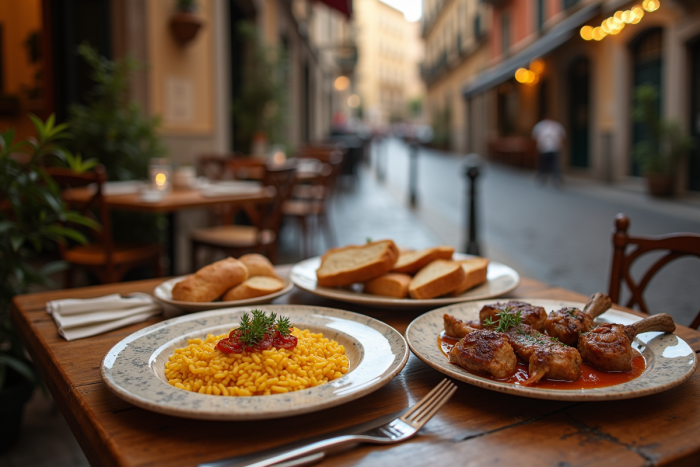
A risotto that doesn’t appear on any menu, a nameless trattoria hidden behind worn shutters, and every Thursday, the locals crowd in as if it were a well-kept secret. In Milan, gastronomy is whispered, passed on through knowing glances and addresses scribbled on the back of a tram ticket. Here, recipes are wrapped in mystery just like the walls are adorned with graffiti.
Under the gilding of La Scala, some chefs prefer to swap truffles for a marrow bone, and immaculate tablecloths for wobbly tables. Milan is anything but a frozen backdrop: the sparkling shop windows conceal hideaways where the city is savored wholeheartedly, without fuss or pretense. The real treasures are found in the shadows of the spotlight, where only the savvy dare to venture.
Where to find the authentic flavors of Milan?
Far from the Duomo and the tourist throngs, Milan reveals itself in its discreet flaws: each neighborhood cultivates its hidden gems like others collect works of art. Stroll along Via Bagnera – the narrowest street in the city – to catch a glimpse of true Milan, the one of shadows and whispers. The Navigli district, with its canals winding between bars and markets, remains the playground for lovers of cocktails and street food, well off the beaten path.
Tradition sometimes slips into a simple panzerotto. Just steps from the cathedral, the discreet facade of Luini Panzerotti boasts a silent line of insiders. To uncover the mystery of this golden pastry, the article “Luini Panzerotti: discovering the little-known Milanese specialty – Je ne sais quoi” immerses you in a story of soft dough, generous filling, and an Apulian heritage that has become an urban pride.
Here are some pointers to uncover these hidden treasures:
- Brera District: cobblestone streets, old-fashioned trattorias, art galleries, and shaded terraces to discuss the world.
- Sempione Park and Sforza Castle: a gourmet break on the grass, a Lombard picnic basket in hand, under the impassive gaze of the statues.
- The arcades of the Galleria Vittorio Emanuele II: a blend of grand architecture and local delicacies, for travelers seeking a true interlude.
The Milanese gastronomy embraces the secret topography of its neighborhoods. The true taste of the city is discovered in its markets, confidential cafes, and addresses without signs or neon lights: where the experience unfolds away from tourist markers.
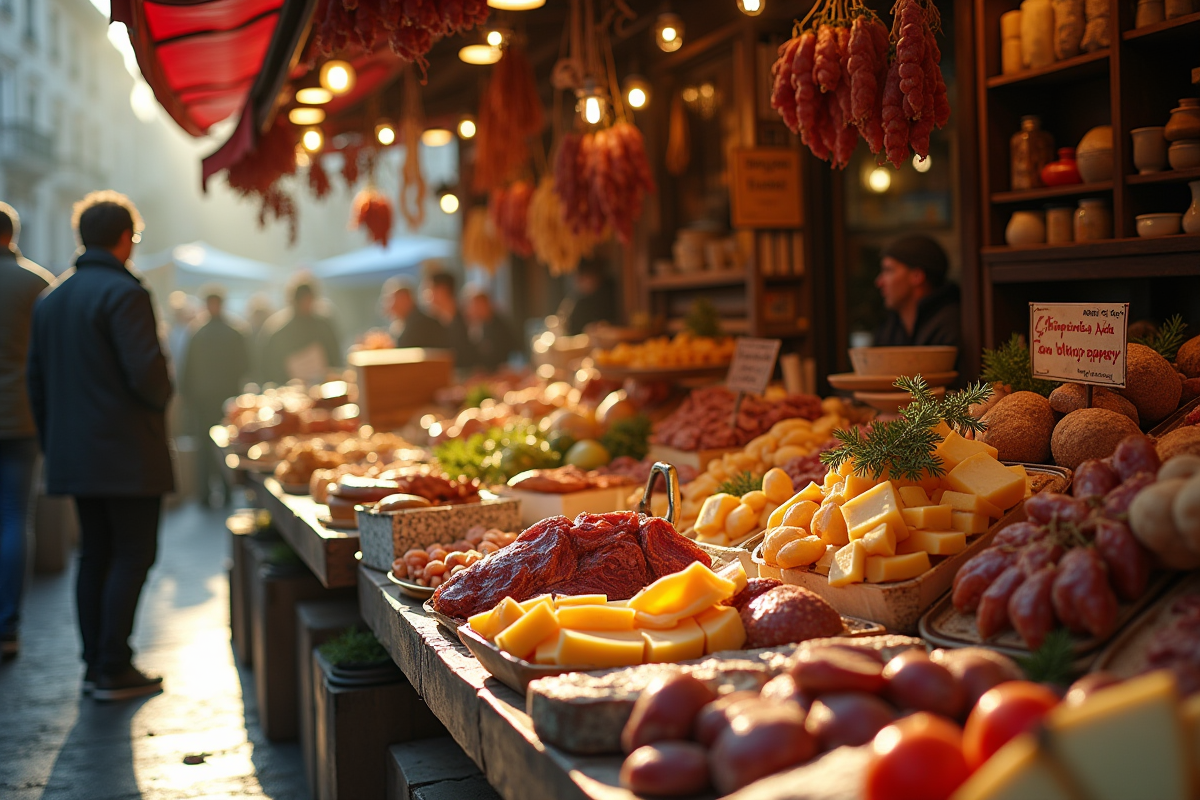
Small addresses and little-known specialties to absolutely explore
In Milan, discreet addresses often outweigh flashy signs. The Milanese gastronomy is not limited to a golden risotto or a cotoletta: it is reinvented daily on modest tables, offering a thousand surprises to those who know to look beyond the postcard.
On the banks of the Navigli, the Mag Café embodies the spirit of the neighborhood: crafted cocktails, a collection of thrifted objects, and a local clientele commenting on the evening match between intimate conversations. For a timeless moment, push open the door of Bar Luce, decorated by Wes Anderson in the heart of the Prada Foundation. A vibrant homage to Italy’s neorealism and the cafes of yesteryear, where one enjoys an espresso as if turning the page of a cult novel.
Street food is constantly being reinvented. Between two museums, grab a steaming panzerotto at Luini, the stuffed pastry that has unanimous support among busy Milanese. Craving pizza? Head to Pizza AM, where the dough rises like a cloud and the Neapolitan gesture blends with Lombard energy.
- Bar Basso: the birthplace of the Negroni Sbagliato, this legendary bar attracts both mixologists and nostalgic patrons of 1960s Milan.
- Ratana: in Porta Nuova, an institution where Lombard cuisine is showcased in an eco-friendly version, far from conventions.
- BackDoor 43: a tiny hideout, reserved for four customers at a time, for connoisseurs of spirits and lovers of the unusual.
Milan also shines with its hybrid places: concept stores like 10 Corso Como, gourmet museums, ephemeral markets. At the East Market, vintage meets street food in a joyful effervescence. Multiply your attempts, allow yourself to be surprised by the unexpected: these little-known specialties form a mosaic as vibrant as it is elusive.
In Milan, every ajar door promises a discovery, every alley a new scent. The city eludes those who skim over it, but fully reveals itself to those who dare to get lost.