
A simple “beep” that becomes part of your daily life. No anxiety, no white coat in the hallway, just a discreet alert on your phone screen: it’s time for treatment. This reflex, seemingly trivial, has slipped into the lives of millions of people, gradually transforming the way we approach health, to the point of shaking up the dynamics between patients and caregivers.
Now, health apps do not just count steps or monitor heart rates. They are shifting the lines: the patient takes control of their journey, and the hospital no longer reigns supreme. A silent revolution fueled by a simple icon on a screen, encroaching on territory in the shadow of the stethoscope.
Health Apps: A New Boost for Patient Autonomy
Health apps are changing the game for countless patients. With a single gesture, they open the door to a range of services: appointment booking, access to the medical record, treatment reminders, sleep or menstrual cycle tracking. This digital health puts everyone back at the center of the game, empowering them to steer their own care trajectory.
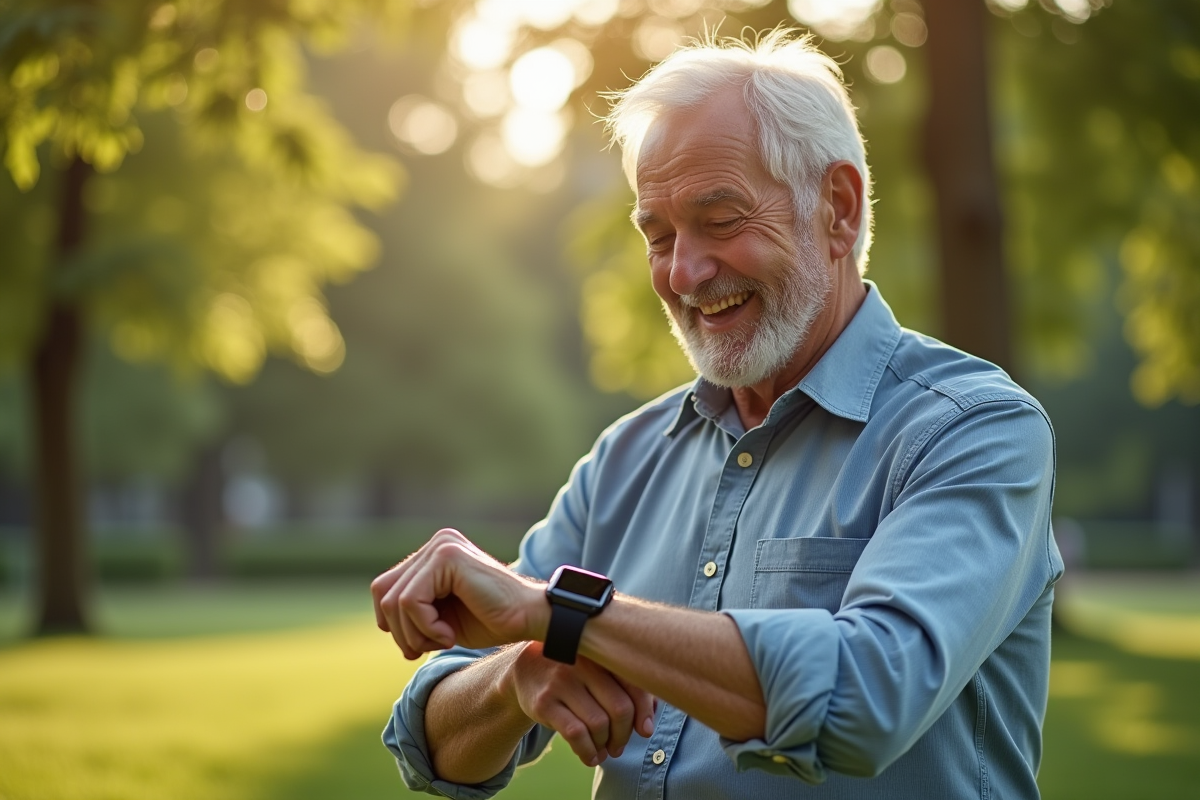
The surge of mobile health apps goes hand in hand with the massive arrival of connected devices. Here, a watch that monitors blood pressure. There, a glucometer that sends its data in real-time. These tools, linked to the app, produce a stream of data that allows for protocol adjustments and refined monitoring. The patient becomes a co-pilot, and caregivers have an unparalleled dashboard at their disposal.
Platforms like Pharamond santé illustrate this evolution: dietary advice, appointment management, peer support among patients, or spaces dedicated to emotional well-being. The range is vast, whether it concerns chronic diseases, pregnancy, prevention, or mental health. For many, quality of life is elevated.
- Personalized tracking: each user accesses precise indicators to maintain control over their health.
- Facilitated communication: sharing health data streamlines exchanges with the medical community.
- Psychological support: thanks to user communities and dedicated programs, solidarity is no longer just a concept.
With the rise of apps dedicated to emotional well-being or nutrition, digital technology is no longer just about providing information. It equips, liberates, and supports a movement of empowerment whose full impact we have yet to measure.
What Challenges and Opportunities for More Personalized Care?
The boom in health apps opens the door to personalized care, supported by the rise of health data and artificial intelligence. Now, algorithms process vast amounts of information from mobile apps to refine their recommendations, closely aligning with each patient’s profile. Whether it concerns chronic diseases, prevention, or therapeutic follow-up, this dynamic redefines the relationship to care.
However, this personalization comes with significant questions. Protecting personal data becomes a non-negotiable condition. The volumes of information circulating require robust technical and regulatory safeguards. Beware of missteps: trust in the digital health system relies on security and confidentiality. If one falters, the entire structure wobbles.
Accessibility remains a point of friction. Depending on the profiles, the adoption of digital tools varies, leading to a divide:
- audiences distanced from technology, left on the sidelines,
- interfaces that can be confusing for seniors or people with disabilities,
- laborious integration of digital offerings into traditional care pathways.
Caregivers are also affected: their mission is expanding. They must guide the use of medical data management apps, validate the accuracy of recommendations, and view digital tools as an additional asset, never as a replacement. The success of this revolution requires a close alliance: developers, patients, and caregivers, each playing their part. Digital medicine, to exclude no one, must remain a collective adventure.
A day will come when we will remember that a simple sound signal was enough to redefine the boundaries of health. It is up to each of us to invent what comes next.