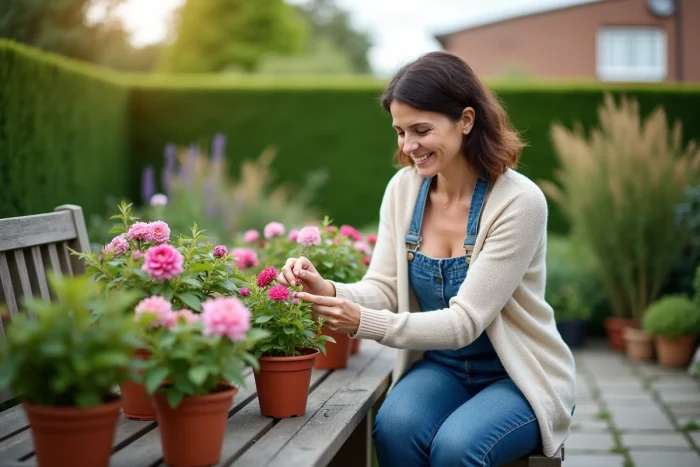
A sloping plot, poor soil, a shy sun: these are situations that, far from stifling creativity, reveal the hidden potential of many gardens. Where some see constraints, others read the beginnings of a unique space. Combining local plants with reclaimed materials reinvents the codes of landscaping.
Experienced gardeners abandon wise and monotonous alignments. Instead, they orchestrate the meeting between well-structured areas and corners left a bit freer. The result: biodiversity is invited, nature expresses itself, and each plot transforms into a pleasant, easy-to-live-in, and maintain space.
The keys to a harmonious garden: understanding the space and your desires
First and foremost, take the time to observe the configuration of the land, the surface, the orientation, the soil texture. Each outdoor space has its own physical data: local climate, regulations, topography. These elements shape the organization, influence the choice of plants, and mold the distribution of different living areas. A garden plan laid out on paper clarifies uses, anticipates pathways, and ensures overall coherence.
A garden is a collection of elements that respond to each other: pathway, terrace, lawn, flowerbed, play area, relaxation corner, dining space, shelter, pond, vegetable garden. Each plays its role, depending on the family’s needs, the children’s ages, and the lifestyle rhythm. Balance comes from the distribution of these spaces: a corner for sharing moments, another for seclusion, a zone dedicated to the vegetable garden, an area reserved for play. The style, whether contemporary, natural, Mediterranean, or English, sets the tone and reflects the personality of the place.
Budget, timeline, hiring a landscaper: all these factors influence the choice of furniture, materials, and plants. Selecting the right plants involves considering the climate, soil, and exposure: choose robust species that align with the desired ambiance. To delve deeper into the topic, visiting tout-pour-le-jardin.com offers concrete ideas for organizing your garden and finding suitable ideas for each space.
What tips can easily transform your outdoor space?
A well-thought-out outdoor area leaves nothing to chance. Every choice, every detail makes a difference. Be sure to clearly design the pathways: gravel, stone slabs, stepping stones guide footsteps, facilitating access to the terrace, vegetable garden, and lawn. A well-designed pathway connects the house to the heart of the garden, structures the whole, and invites exploration.
For the terrace, choose a suitable garden lounge. A friendly table, chairs, barbecue or plancha create a living space focused on conviviality. Depending on the space, the furniture can be placed on the lawn or under a pergola to shade a relaxation corner.
For the younger ones, focus on safety and flexibility. A wooden playhouse, some games, a hedge, or a plant screen isolate the area reserved for children and guarantee them a separate zone. Everyone finds their place: dining area, leisure space, vegetable garden, resting corner under a gazebo or parasol.
To limit daily chores, consider these arrangements:
- Install an automatic irrigation system to keep your plants in top shape.
- Plan appropriate lighting that highlights pathways and provides reassurance at night.
- Use a low wall to hide the trash area or compost, preserving the garden’s aesthetics.
- Adopt plant structures like trellises, hedges, modular panels: they protect from prying eyes and structure the space.
Each project has its tips, and each configuration has its answers. Exposure, climate, available surface: adapt the solutions to your realities. A successful garden is a space that evolves with you, season after season.

Creative and trendy ideas for a garden that reflects you
The mix of materials gives character to your outdoor space. Wood, metal, stone, or gravel combine to structure areas and create subtle contrasts. Focus on plants compatible with your climate: lavender, olive trees, bougainvillea, and palm trees create a Mediterranean atmosphere, while tamarisk, photinia, or mimosa evoke coastal gardens. Each plant tells a story, and each choice composes a custom identity.
To enrich the plant palette, nothing beats welcoming climbing plants: passionflower, jasmine, wisteria can be placed on a trellis or pergola. They adorn walls, provide shade, and play with depth. Color and decoration come into play with vibrant cushions on the lounge, solar lamps scattered at the foot of the flowerbeds, a garland hanging between two trees.
Here are some ideas to go further in the layout:
- Create a pond or install a small fountain to bring the softness of water.
- Hang a hammock or place a deckchair in the shade of a fruit tree to enjoy the calm.
- Use mineral mulching to add relief to flowerbeds while limiting maintenance.
The garden, thus shaped, becomes a true living space. An area for relaxing, playing, sharing, molded over time according to desires and seasons. Each person can reinvent their outdoor space, in harmony with nature, the climate, and their own aspirations. The next beautiful day could well reveal the space you dreamed of, just on the other side of the door.